benne wafer (ben.ne wa.fer) n. - a cookie made with sesame seeds and eaten for good luck; introduced by slaves from West Africa.
/
cast (cast) v. - to throw or fling.
chaff (chaff) n. - lightweight, dry coverings that are separated from the rice grain during threshing.
Civil War (civ.il war) n. - the war in the United States between the Union and Confederacy that lasted from 1861 to 1865; also, any war within a country.
coiled (coiled) adj. - an African technique for making baskets; a coil of fibers is sewn together by hand to make a basket or container.
craft (craft) n. - a job or activity needing skill and experience, especially in making objects like baskets or quilts.
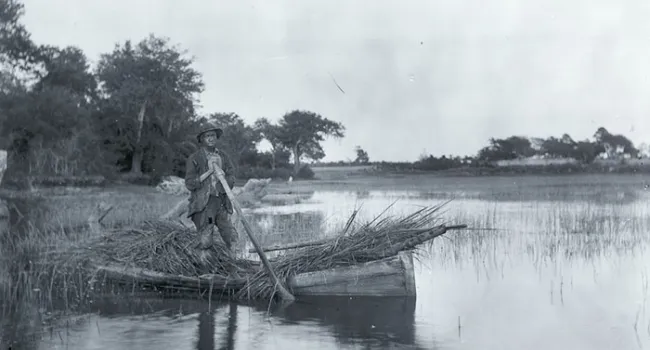
cultivate (cul.ti.vate) v. - to grow a crop.
cultural heritage (her.i.tage) n. - things handed down from generation to generation, such as traditions and languages that have cultural importance.
culture (cul.ture) n. - the customs, beliefs, laws and ways of living that belong to a people.
/
descendant (de.scen.dant) n. - a person whose ancestry can be traced to a particular person or group.
/
endangered (en.dan.gered) adj. - likely to be harmed, damaged or destroyed.
export (ex.port) n. - something that is sent to another country for trade or sale.
/
fanner (fan.ner) n. - a large flat basket used to toss threshed rice in the air so that the wind blows away the chaff, leaving behind the heavier grains of rice.
folklore (folk.lore) n. - the traditional stories, sayings and culture of a group of people.
folktale (folk.tale) n. - a traditional story that often teaches a lesson that has been handed down by the people of a country or region from one generation to the next.
folkway (folk.way) n. - a practice, custom or belief shared by the members of a group as part of their common culture.
/
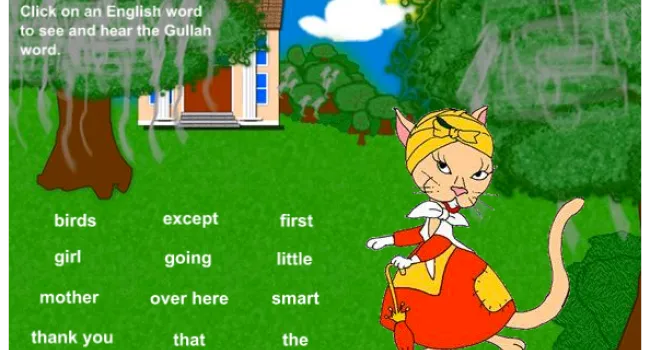
Gullah (gul.lah) n. - one of a group of people of African ancestry that live in the Sea Islands and coastal areas of South Carolina, Georgia, and northern Florida; the creolized language of the Gullahs, based on English and several other African languages and spoken in Sea Island communities.
/
historian (his.to.ri.an) n. - a person who studies or writes about history.
hoppin' John (hop.pin john) n. - brown field peas cooked with rice; eaten for good luck.
hull (hull) n. - the hard, outer shell of a rice grain.
/
indigo (in.di.go) n. - a plant used to make blue dye; historically grown on plantations.
/
melody (mel.o.dy) n. - a tune or song.
/
Native American (na.tive a.mer.i.can) n. - a descendant of any of the peoples who lived in North, Central or South America before European explorers and colonists arrived.
Native Islander (na.tive is.land.er) n. - one of the original inhabitants or lifelong residents of the Sea Islands.
/
origin (o.ri.gin) n. - where something begins or comes from.
/
plantation (plan.ta.tion) n. - a large farm or estate on which crops are grown and harvested by workers who often live there; plantations in the Sea Islands grew indigo, rice, and cotton.
port (port) n. - a town or city with deep water where ships can dock and load or unload cargo.
praise house (praise house) n. - a meeting place for slaves on plantations; served as a center for worship and community leadership.
preserve (pre.serve) v. - to keep something the same or prevent it from being damaged or destroyed.
/
religious (re.lig.ious) adj. - relating to the belief in, or worship of, a god or gods.
rhythm (rhythm) n. - a regular, repeating pattern of sound.
/
scholar (schol.ar) n. - a person who has a great deal of knowledge, usually about a particular subject.
Sea Islands (sea is.lands) - a group of islands off the coasts of South Carolina, Georgia and North Florida.
shout (shout) n. - a rhythmic song sung during prayer meetings that uses foot stomping and handclapping.
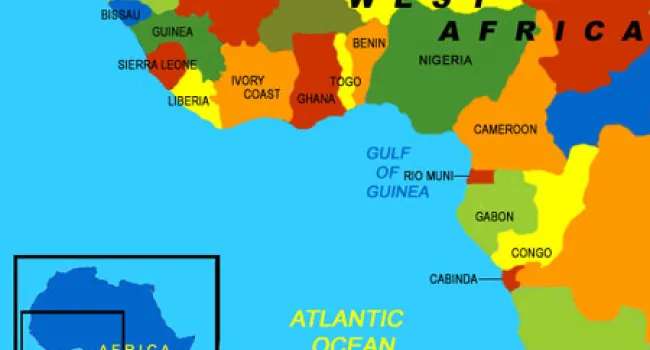
Sierra Leone (sier.ra le.one) n. - a country on the coast of West Africa.
slave (slave) n. - a person who is owned by someone else and works without pay.
spirituals (spir.i.tu.als) n. - religious songs created by slaves while they were in church or working in the fields.
storytelling (sto.ry.tell.ing) n. - the art of telling or writing stories, usually of historical or cultural value.
sweetgrass (sweet.grass) n. - a long-stemmed plant that grows near the ocean and is used to make baskets; the development of the Sea Islands has depleted the supply of sweetgrass.
sweetgrass basket (sweet.grass bas.ket) n. - a coiled, handmade basket made of sweetgrass.
/
tourism (tour.ism) n. - the business of providing services for tourists, including organizing their travel, hotels, entertainment, etc.
traditions (tra.di.tions) n. - customs, beliefs and ways of life that have been passed down from one generation to the next.
tribe (tribe) n. - a group of people who live together, share the same culture, language and history; and have a traditional way of life.
trickster (trick.ster) n. - a figure in myth or folklore, often an animal, that deceives people as a joke or form of entertainment.
/
West Africa (west af.ri.ca) - the region of western Africa between the Sahara Desert and the Gulf of Guinea.
West Indies (west in.dies) - a group of islands between North and South America that includes the Bahamas, the Lesser Antilles and the Greater Antilles.
Standards
- 3-2 The student will demonstrate an understanding of the exploration and settlement of South Carolina.
- 3.4.1.PR Investigate the cultural characteristics of places and regions around the world.
- 3.5.1.HS Investigate and explain the economic, social, and political motivations behind human exploration of Earth.
- This indicator was written to promote inquiry into the unique development of ethnic, political, and religious identities in the New England, Mid-Atlantic, and Southern colonies.
- This indicator was developed to promote inquiry into how European colonization impacted the interaction among African, European, and Native American cultural groups.
- This indicator was written to promote inquiry into the role of mercantilism in the growth of agriculture, early industry, harbor development, shipping and trade, and slavery in the British colonies.
- This indicator was developed to promote inquiry into how South Carolina developed as a result of the relationship among various ethnic, political, and religious groups.
- 4.1.CE Identify the effects of changing economic systems on the diverse populations in British North America.
- This indicator was designed to encourage inquiry into the geographic and human factors that contributed to the development of South Carolina’s economic system. This indicator was also written to encourage inquiry into South Carolina’s distinct social and economic system as influenced by British Barbados.
oblea bene (o.ble.a. be.ne) n. - una galleta hecha con semillas de sésamo y comida para buena suerte; introducida por esclavos
/
de África Occidental.
lanzar (lan.zar) v. - para lanzar o revolotear.
paja (paja) n. - cubiertas ligeras y secas que se separan del grano de arroz durante la trilla.
Guerra Civil (gue.rra ci.vil) n. - la guerra en los Estados Unidos entre la Unión y la Confederación que duró desde 1861 hasta 1865; también, cualquier guerra dentro de un país.
enrollado (en.ro.ll.ado) adj. - una técnica Africana para hacer cestas; una bobina de fibras se cose a mano para hacer una cesta o un recipiente.
arte (ar.te) n. - un trabajo o actividad que necesita habilidad y experiencia, especialmente en la fabricación de objetos como cestas o colchas.
cultivar (cul.ti.var) v. - cultivar un cultivo.
patrimonio cultural (pa.tri.mo.nio) n. - cosas transmitidas de generación en generación, como tradiciones e idiomas que tienen importancia cultural.
cultura (cul.tu.ra) n. - las costumbres, creencias, leyes y formas de vida que pertenecen a un pueblo.
/
descendiente (de.scen.dien.te) n. - una persona cuyo linaje puede ser rastreado a una persona o grupo en particular.
/
en peligro (en. pe.li.gro) adj. - que pueda ser dañado, dañado o destruido.
exportar (ex.por.tar) n. - algo que se envía a otro país para su comercio o venta.
/
fanner (fan.ner) n. - una gran cesta plana utilizada para tirar arroz trillado en el aire para que el viento sople la paja, dejando atrás los granos de arroz más pesados.
folclor (fol.clor) n. - las historias tradicionales, los dichos y la cultura de un grupo de personas.
leyenda (le.yen.da) n. - una historia tradicional que a menudo enseña una lección que ha sido transmitida por la gente de un país o región de una generación a la siguiente.
folclórico (fol.cló.ri.co) adj. - una práctica, costumbre o creencia compartida por los miembros de un grupo como parte de su cultura común.
/
Gullah (gul.lah) n. - una de un grupo de personas de ascendencia Africana que viven en las Islas del Mar y las zonas costeras de Carolina del Sur, Georgia y el norte de Florida; el idioma creolizado de los Gullahs, basado en el inglés y varios otros idiomas Africanos y hablado en las comunidades de las Islas del Mar.
/
historiador (his.to.ria.dor) n. - una persona que estudia o escribe sobre la historia.
Hoppin' John (Hop.pin john) n. - guisantes de campo marrones cocinados con arroz; se comen para buena suerte.
casco (cas.co) n. - la cáscara dura y exterior de un grano de arroz.
/
índigo (in.di.go) n. - una planta utilizada para hacer tinte azul; históricamente cultivada en plantaciones.
/
melodía (me.lo.dí.a) n. - una melodía o canción.
Nativo/Indio Americano (na.ti.vo/ in.di.o a.me.ri.ca.no) n. - un descendiente de cualquiera de los pueblos que vivieron en Norte,Centro o Sudamérica antes de que llegaran los exploradores y colonos europeos.
Isleño Nativo (is.le.ño na.ti.vo) n. - uno de los habitantes originales o residentes de por vida de las Islas del Mar.
/
origen (o.ri.gen) n. - de donde algo comienza o viene.
/
plantación (plan.ta.ción) n. - una gran granja o finca en la que los cultivos son cultivados y cosechados por trabajadores que a menudo viven allí; las plantaciones en las Islas del Mar cultivaban el índigo, el arroz y el algodón.
puerto (puer.to) n. - una ciudad con aguas profundas donde los barcos pueden atracar y cargar o descargar carga.
casa de alabanza (ca.sa de ala.ban.za) n. -un lugar de encuentro para esclavos en plantaciones; sirvió como centro de culto y liderazgo comunitario.
preservar (pre.ser.var) v. - para mantener algo igual o evitar que se dañe o destruya.
/
religioso (re.li.gio.so) adj. - relacionado con la creencia en, o adoración de, un dios o dioses.
ritmo (rit.mo) n. - un patrón de sonido regular y repetitivo.
erudito (e.ru.di.to) n. - una persona que tiene un gran conocimiento, generalmente sobre un tema en particular.
Islas del Mar (is.las del mar) - un grupo de islas frente a las costas de Carolina del Sur, Georgia y el Norte de Florida.
gritar (gri.tar) n. - una canción rítmica cantada durante las reuniones de oración que utiliza el pisoteado de los pies y el apretón de manos.
Sierra Leona (si.e.rra le.one) n. - un país en la costa de África Occidental.
esclavo (es.cla.vo) n. - una persona que es propiedad de otra persona y trabaja sin sueldo.
espirituales (es.pi.ri.tua.les) n. - canciones religiosas creadas por los esclavos mientras estaban en la iglesia o trabajando en los campos.
narración (na.rra.ción) n. - el arte de contar o escribir historias, generalmente de valor histórico o cultural.
hierba dulce (hier.ba dul.ce) n. - una planta de tallo largo que crece cerca del océano y se utiliza para hacer canastas; el desarrollo de las Islas del Mar ha agotado el suministro de pasto dulce.
cesta de pasto dulce (ces.ta de pas.to dul.ce) n. - una cesta enrollada hecha a mano de césped dulce.
/
turismo (tu.ris.mo) n. - el negocio de proporcionar servicios a los turistas, incluyendo la organización de sus viajes, hotel, entretenimiento etc..
tradiciones (tra.di.cio.nes) n. - costumbres, creencias y formas de vida que han sido transmitidas de una generación a la siguiente.
tribu (tri.bu) n. - un grupo de personas que viven juntas, comparten la misma cultura, lengua e historia; y tienen un estilo de vida tradicional.
embaucador folclórico (em.bau.ca.dor fol.cló.ri.co) n. - una figura en mito o folclor, a menudo un animal, que engaña a la gente como una broma o forma de entretenimiento.
/
África Occidental (á.fri.ca oc.ci.den.tal) - la región de África occidental entre el desierto del Sáhara y el Golfo de Guinea.
Indias Occidentales (in.di.as oc.ci.den.tal.es) - un grupo de islas entre América del Norte y del Sur que incluye las Bahamas, las Antillas Menores y las Antillas Mayores.